Ozempic for weight loss has quickly become one of the most talked-about solutions for shedding excess weight. Across social media and private conversations, more and more women are opening up about their experiences with this weekly injection – often describing it as either life-changing or incredibly difficult.
So what is the reality?
Looking at real women’s experiences, Ozempic sits somewhere between a breakthrough and a trade-off. Quotes have been sourced from a local online platform to reflect real women’s experiences with Ozempic for weight loss. It can deliver fast results, but not always without consequences.
Real Results and Real Experiences
One of the biggest reasons Ozempic for weight loss has gained so much attention is how quickly it can work. Many women report noticeable weight loss within weeks, often without the constant hunger that makes traditional dieting so difficult.
“I lost 7 kilos in 3 months… I was never hungry, which was unbelievable for me.”
The appetite suppression effect is one of the most consistent experiences. Women describe feeling full faster, thinking less about food, and finally having a sense of control over their eating habits.
But alongside these results, there is often an emotional layer. Many women start their journey feeling stuck – struggling with willpower, weight gain, and frustration after repeated failed attempts at dieting. Ozempic can feel like a solution when nothing else has worked.
At the same time, not everyone is comfortable with how that weight loss is achieved. Some women question whether losing weight by suppressing appetite so drastically is sustainable, or even healthy, in the long term.
Side Effects, Risks and the Bigger Picture
While the results can be encouraging, the side effects of Ozempic for weight loss are a major part of the conversation.
Common experiences include nausea, fatigue, low energy, constipation, and noticeable mood changes. Some women describe feeling constantly tired or emotionally low, even while losing weight.
Others report feeling weak, irritable, or simply “not themselves.” Even though the appetite suppression works, it can come at the cost of overall wellbeing.
“I couldn’t even keep water down. I was vomiting constantly for five days.”
There are also concerns about longer-term effects. Some women notice that once they stop taking Ozempic, their appetite returns, and with it, the risk of regaining weight. Others manage to maintain their results, particularly if they use the time on the medication to build better eating habits.
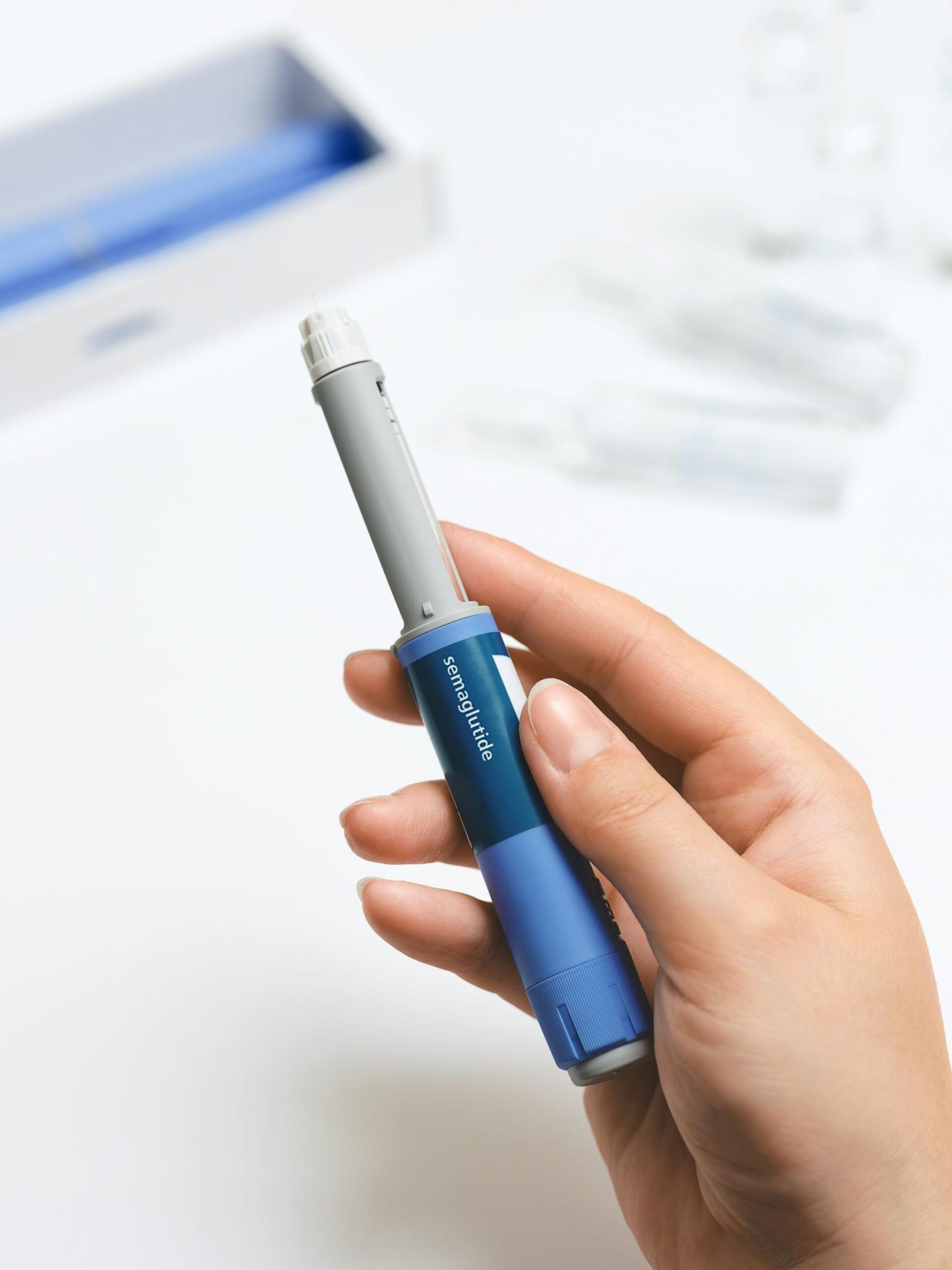
This highlights an important reality: Ozempic may help initiate weight loss, but it doesn’t necessarily replace the need for lifestyle changes.
The discussion often turns into a broader debate: medication versus habits. Some women strongly believe that weight loss should come from healthier eating and exercise, while others take a more balanced view, recognizing that factors like hormones, emotional eating, and medical conditions can play a role.
“Before trying it, you should understand the root cause: whether it’s emotional, lifestyle, or medical.”
For many, this becomes the key takeaway. Ozempic is not a one-size-fits-all solution. It can be helpful for some, particularly when used under medical supervision, but it is not without risks.
Final Thoughts
Ozempic for weight loss is neither a miracle cure nor something to dismiss entirely. Based on real women’s experiences, it can deliver fast, noticeable results, but often alongside side effects that shouldn’t be ignored.
For some women, it provides a much-needed boost in confidence and control. For others, the physical and emotional downsides make it a difficult journey.
Ultimately, the decision comes down to understanding your own body, your habits, and your health, and making an informed choice rather than following a trend.
Do you have an experience you’d like to share with us at Wham, either in your name or anonymously? Contact us! We’d love to hear from you!

Claire Galea is a self-employed holistic care practitioner with formal training in nursing. She is passionate about patient-centered care and public education on health and social issues. Committed to lifelong learning, Claire enjoys exploring a broad range of topics, from spirituality to contemporary affairs.
Claire is also passionate about spreading awareness on the negative effects that domestic abuse leaves on its victims’ mental, emotional, social and physical wellbeing. She is the author of two downloadable ebooks, namely Heal Your Life Forever and 5 Simple Steps To Creating The Life Of Your Dreams.
Click here to check out Claire’s full bio as well as a list of all her Wham published articles