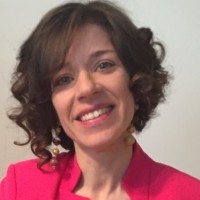

Lymphatic drainage in Malta is finally starting to receive the attention it deserves. To better understand its importance, we spoke with Alessandra Teresi, an Italian physiotherapist who has been practising in Malta for the past 10 years and is specialised in Manual Lymphatic Drainage using the Vodder Method. In this interview, Alessandra shares her experience, insights, and hopes for greater awareness of lymphoedema and lipoedema on the island.
Thank you, Ms. Teresi, for taking the time to join us for this interview. Can you tell us a little about your professional background and what led you to specialise in lymphatic drainage?
I am a physiotherapist and have been working in Malta for about ten years. During my clinical practice I have met more and more people with chronic swelling, pain and disorders who did not find an effective response in traditional treatments. This pushed me to delve deeper into the lymphatic system and to specialize in Manual Lymphatic Drainage according to the Vodder Method. It was a turning point: I understood how much this approach could concretely improve patients’ quality of life.
You’ve been working in Malta for 10 years. How has awareness of lymphatic drainage and related conditions changed during this time?
When I started, awareness about lymphatic drainage and conditions such as lymphedema and lipedema was very limited, both among patients and healthcare professionals. In recent years I have seen a slight positive change because we are starting to talk about pathologies of the lymphatic system. However, there is still a long way to go, especially in terms of early diagnosis and access to specialist treatments.
For readers who may be unfamiliar with it, what exactly is Manual Lymphatic Drainage according to the Vodder Method?
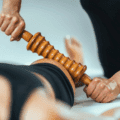
Manual Lymphatic Drainage according to the Vodder Method is a delicate and specific manual technique that stimulates the lymphatic system to function more efficiently. Through slow, rhythmic and painless movements, it helps reduce swelling, improve lymphatic circulation and support the body’s natural detoxification processes. It is a scientifically recognised technique, used in both therapeutic and preventive fields.
Lymphoedema and lipoedema are still little known in Malta. Why do you think these conditions are often misunderstood or underdiagnosed?
One of the main reasons is the lack of specific information. These disorders are often confused with simple water retention or being overweight. Furthermore, initial symptoms can be subtle and progressive, thus easily underestimated. In the case of lipedema, there is also an important gender component, which leads many women to not feel listened to or understood.
What kind of impact do these conditions have on a person’s daily life and overall wellbeing?
The impact can be significant, both physical and emotional. Pain, heaviness, fatigue and limitations in movement can make even the simplest daily activities difficult. To this there is often an important psychological impact, linked to body image, frustration and the feeling of not being understood. It is something that goes far beyond the aesthetic aspect.
How can proper lymphatic drainage treatment help manage symptoms and improve quality of life?
Proper lymphatic drainage treatment can reduce swelling, relieve pain and improve mobility. But above all, it helps people regain control of their bodies and their well-being. When included in a complete therapeutic approach, it can slow down the progression of the disease and significantly improve the quality of life, both in the short and long term.
Who can benefit from lymphatic drainage?
Lymphatic drainage can be helpful to many people. In particular to those suffering from lymphedema, lipedema, chronic swelling, fluid retention or venous insufficiency. It is also indicated in the post-operative period, after surgical or oncological interventions, and in case of trauma. Furthermore, it can be beneficial for those with a slowed lymphatic system due to stress, sedentary lifestyle or hormonal changes.
What are some common myths or misconceptions about lymphatic drainage that you often encounter?
One of the most common myths is that lymphatic drainage is just a relaxing or aesthetic massage. It is actually a very specific therapeutic technique, which requires extensive training. Another misconception is that it must be strong or painful to be effective, when in fact lymphatic drainage is delicate and works in a way that respects the lymphatic system. It is also often thought that a few sessions are enough to “solve everything”, but this is a path that must be personalised.
In your experience, what role does education and early diagnosis play in achieving better outcomes for patients?
They have a fundamental role. An early diagnosis allows intervention before the condition worsens and becomes more difficult to manage. Patient education is equally important: Understanding what’s going on in your body, knowing how to care for it, and recognizing warning signs makes a big difference in long-term outcomes.
What changes or improvements would you like to see in how lymphatic drainage in Malta is approached within the healthcare and wellness sectors?
I would like to see greater integration of lymphatic drainage within the healthcare system, with more collaboration between doctors, physiotherapists and other professionals. It would also be important to invest more in specialist training and public awareness. In the wellness sector, I believe it is essential to clearly distinguish between aesthetic and therapeutic treatments, to guarantee safety and effectiveness for patients.
Finally, what message would you like to share with individuals in Malta who may be struggling with symptoms but haven’t yet sought help?
The main message is not to ignore your body’s signals. Swelling, pain or feelings of heaviness are not something you “need to live with”. Seeking professional help is the first step towards well-being and a better quality of life. The sooner you intervene, the better your chances of managing the situation effectively.
We appreciate your time today, Ms. Teresi. Thank you for joining us.
As conversations around lymphatic health continue to grow, interviews like this play a vital role in education and empowerment. Lymphatic drainage in Malta is no longer a niche topic; it is an essential part of improving quality of life for many people living with chronic and often misunderstood conditions. With experienced professionals like Alessandra Teresi leading the way, awareness, earlier diagnosis, and effective treatment are becoming increasingly achievable.
Alessandra is a qualified physiotherapist with a solid academic and clinical background. She completed her secondary education at a scientific high school in Palermo and went on to obtain her Degree in Physiotherapy at the Policlinico Paolo Giaccone in Palermo, graduating with full marks (110/110).
She gained eight years of professional experience working with Cooperativa OSA before relocating to Malta, where she continued her practice at the San Francis Medical Center Clinic in Naxxar.
Now this clinic is permanently closed but Alessandra is currently available by appointment in Swieqi or San Paul. Those wishing to get in touch can contact her via WhatsApp on +356 9950 2487.
Do you have an experience you’d like to share with us at Wham, either in your name or anonymously? Contact us! We’d love to hear from you!

Claire Galea is a self-employed holistic care practitioner with formal training in nursing. She is passionate about patient-centered care and public education on health and social issues. Committed to lifelong learning, Claire enjoys exploring a broad range of topics, from spirituality to contemporary affairs.
Claire is also passionate about spreading awareness on the negative effects that domestic abuse leaves on its victims’ mental, emotional, social and physical wellbeing. She is the author of two downloadable ebooks, namely Heal Your Life Forever and 5 Simple Steps To Creating The Life Of Your Dreams.
Click here to check out Claire’s full bio as well as a list of all her Wham published articles